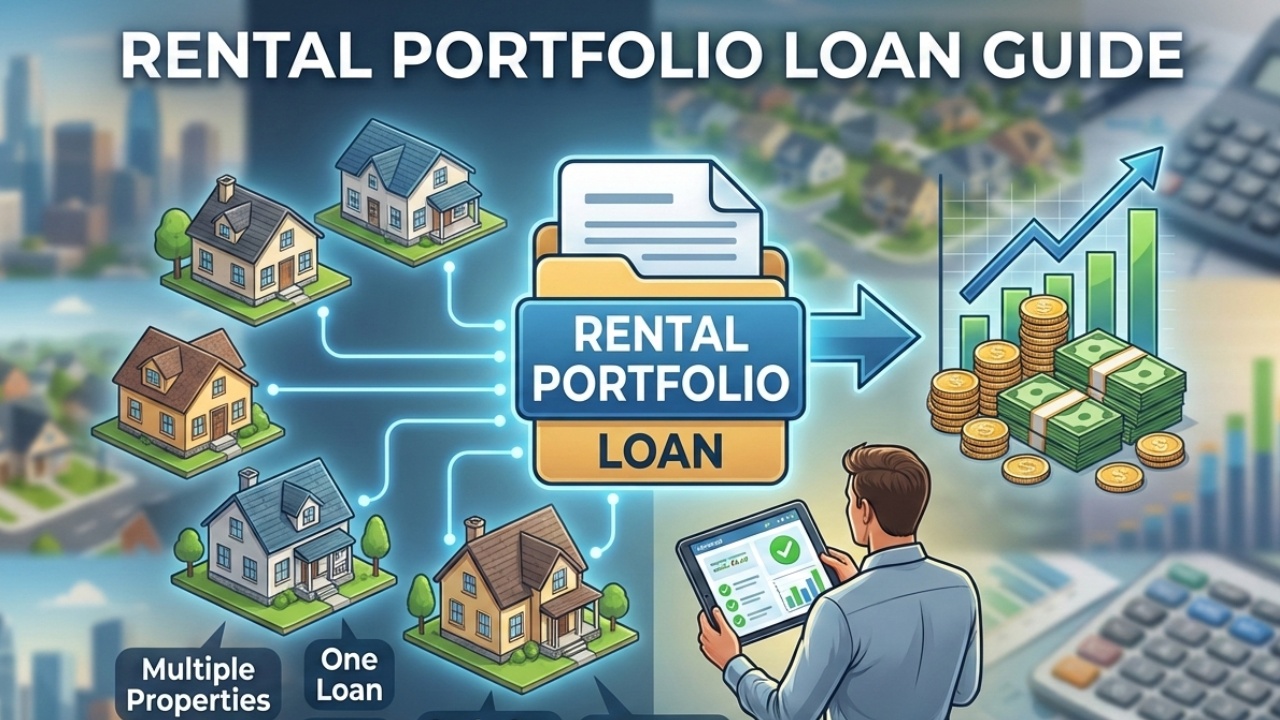
A rental portfolio loan is a financing option for real estate investors that allows them…
How to Finance Investment Properties In 7 Simple Steps
Investing in real estate is one of the best ways to build wealth over time. But before you can start collecting rental income, you need to understand how to finance investment properties. In this guide, we’ll walk you through the financing process for investment properties step by step.
Summary
- Step 1: Decide That You Want to Do This.
- Step 2: Determine Your Budget.
- Step 3: Determine Where You Want to Buy.
- Step 4: Get Pre-Approved for Financing.
- Step 5: Determine the Type of Loan.
- Step 6: Start Making Offers.
- Step 7: Close the Deal Quickly.
Step 1: Decide That You Want to Do This
Real estate investing is a long-term commitment. While flipping houses can yield short-term capital gains, buying investment properties for rental income is a long-term strategy. Over time, someone else—your tenant—will pay off the mortgage for you. While rental income and property appreciation can yield substantial returns, remember that your goal is to run a profitable business, not to lose money. This mindset is key as you embark on your journey.
Step 2: Determine Your Budget
Before you even start looking at properties, you need to figure out your budget. For most investment properties, you’ll need a down payment of 15% to 25%. Here’s what you need to know:
- 15% down: This is the minimum for a conventional loan, but you will pay mortgage insurance.
- 20% down: This avoids mortgage insurance but may come with a slightly higher interest rate.
- 25% or more: This will get you the best pricing and terms.
In addition to the down payment, you’ll need cash to close, including closing fees and other costs associated with the purchase. Lenders will also want to see your “reserves”—funds left over after the purchase, such as cash in the bank or investments. Other financial factors to consider include your credit score, debt-to-income ratio, and how much cash you have left for emergencies.
Step 3: Determine Where You Want to Buy
It’s not always necessary to buy investment properties locally. Take for instance, me – I’m based in California, where real estate prices are high, making it difficult for many investors to find profitable properties. However, with technology at your fingertips, you can look out of state. Smaller markets can offer great opportunities that larger cities may not provide.
Research various areas and consider markets where you can find properties with high rental yields and low property costs. A little research can open up new, profitable avenues for your investments.
Step 4: Get Pre-Approved for Financing
Getting pre-approved is a crucial step before you start making offers on properties. Pre-approval helps you understand how much you can afford. It ensures you don’t waste time looking at properties that are out of your budget. To get pre-approved, you’ll need to provide documentation of your income, assets, debts, and the property’s potential cash flow (if you’re using a DSCR loan). Your mortgage advisor will evaluate your financial situation and help you determine how much you can borrow.
Step 5: Determine the Type of Loan
There are several loan options available for investment properties. The two most common are
- Conventional loan: This uses your personal income and assets to qualify. While this is a standard option, you’ll likely need a larger down payment (around 20% to 25%) to make it work.
- DSCR loan: A Debt Service Coverage Ratio (DSCR) loan evaluates the cash flow of the property itself rather than your personal income. This option can be ideal for investors who already have rental properties and prefer financing based on the property’s income potential.
Both options have their advantages, so work with a mortgage advisor to determine which type is best for your situation.
Step 6: Start Making Offers
You should start making offers once you’re pre-approved. In some markets, you’ll need to offer at or above the asking price. For other markets, you may be able to negotiate below it. If you’re buying out of state, it’s essential to rely on a good realtor and make use of property inspections to ensure you’re making a solid investment. The key is to remember that real estate investing is a business, not a personal purchase. The numbers should drive your decision-making process, not emotions.
Step 7: Close the Deal Quickly
When buying investment properties, timing is everything. You’ll typically pay prepaid interest from the date of closing to the end of the month, but your first mortgage payment will be due the following month. The sooner you close, the sooner you can start renting the property out and begin receiving rental income before you have to make a mortgage payment. Fast closing can provide a great cash flow advantage.
Step 8: Repeat the Process
Once you’ve completed your first investment property purchase and gained experience, you’ll likely get excited about the next deal. Keep saving cash and seeking new opportunities.
By following these steps and keeping the business mindset front and center, you’ll be on your way to becoming a successful real estate investor. If you’re ready to finance your first investment property, I’d love to help you. I offer financing nationwide and can guide you through the process.

Related Posts